
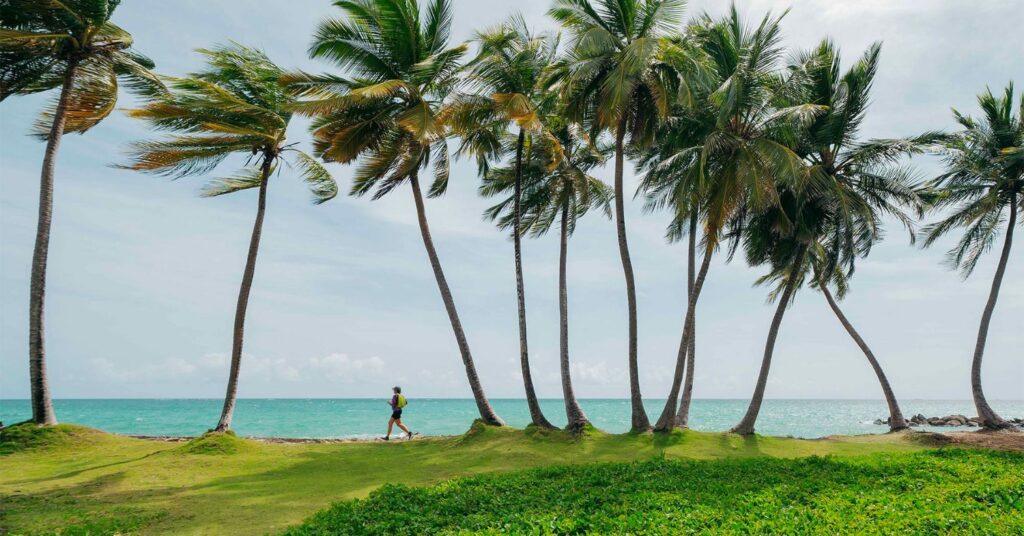
Top attractions in Puerto Rico include Old San Juan, El Yunque, Flamenco Beach, Mosquito Bay, and the San Juan forts.
Planning a Puerto Rico trip can feel like picking from a candy store. Coastlines sparkle, mountains rise fast, and centuries of history sit a short walk from coffee stands. To make the choice easy, this guide rounds up five standout places that give you beaches, rainforest, glow-in-the-dark water, and fortress walls with sweeping views. You will find quick planning notes, map cues, budget ranges, and time-saving tips that help a first visit run smooth.
Top Attractions In Puerto Rico: Five Can’t-Miss Stops
Here’s a fast, at-a-glance table you can use while plotting your route. It shows the draw, how long to budget, and the type of traveler who will get the most out of each stop.
| Attraction | Why Go | Plan Time |
|---|---|---|
| Old San Juan | Blue-cobblestone streets, pastel facades, food stalls, city walls | Half day to a full day |
| El Yunque National Forest | Waterfalls, misty peaks, fern-lined trails | Half day with a car |
| Flamenco Beach (Culebra) | White sand arc, teal water, snorkeling | Full day or overnight |
| Mosquito Bay (Vieques) | World-famous glow on moonless nights | Evening tour |
| San Juan National Historic Site | El Morro and San Cristóbal forts, ocean views | 2–3 hours |
Old San Juan: Color, Coffee, And City Walls
Start in the compact historic core. Streets paved with blue ballast stones lead past bright balconies and plazas with shade. You can walk the seaside promenade, duck into a bakery for a mallorca pastry, then climb to the ramparts for a view over the cruise piers and the Atlantic.
Best Streets And Stops
Stroll Calle del Cristo for shops and quick eats, then cut to Paseo de la Princesa for artists and sea breezes. Plaza de Armas and Plaza Colón are handy meet-up points. If you want the classic photo, the La Perla lookout and the umbrella-lined Calle Fortaleza draw steady crowds.
Map Cue
Drop a pin on “Plaza Colón, San Juan” and work uphill toward the fortress lawns. Most sights cluster within a 15-minute radius on foot.
Costs And Time
Walking is free, and snacks add up to whatever you sample. If you plan to tour the forts, set aside a couple of hours and bring water; the sun hits hard on the upper levels.
San Juan National Historic Site: Two Mighty Forts
The walled headland holds two large citadels: Castillo San Felipe del Morro at the tip and Castillo San Cristóbal guarding the landward side. Wide lawns front El Morro, where kites dance in the trade winds. Tunnels and sentry boxes carve through thick stone, and placards explain five centuries of coastal defense.
Tickets, Hours, And What’s Included
The entrance receipt covers both forts during its validity window. For current fees and any entry-free dates, see the NPS fees page. Staff at the gate share daily notes on closures, film showings, and the best sequence to avoid tour-bus rushes.
Photo Spots And Simple Route
Start at San Cristóbal for dungeons and city views, then walk or ride the free trolley toward El Morro for the lighthouse, bastions, and sea horizon. Late afternoon light paints the stone warm and keeps temperatures gentler.
What To Pack
Sun hat, water, and grippy shoes. Stone ramps can feel slick after a squall. The trade winds help, yet shade is scarce on the upper levels.
El Yunque National Forest: Waterfalls And Cloud-Washed Ridges
The only tropical rainforest in the U.S. National Forest System sits an hour east of San Juan. Roads twist through bamboo groves and giant tree ferns, then reach trailheads for short waterfall walks and ridge views. You can pair a morning in the forest with lunch at roadside kiosks near Luquillo.
Trails And Easy Wins
First-timers usually pick one short walk and one overlook. La Coca Falls offers a quick photo stop just off PR-191. For a casual stroll, try Angelito Trail to a swimming hole; for a steeper workout, pick a signed route toward El Yunque Peak or Mount Britton when conditions allow.
Current Conditions And Entry
Policies have shifted in recent years. Before you drive up, check the Forest Service page for live notes on parking, closures, and any timed systems in effect. The agency posts updates on openings and El Portal visitor center hours here: El Yunque current conditions.
Safety And Gear
Expect fast showers, slick rock, and fog near the ridges. Pack a light rain shell, closed-toe shoes, and a dry bag for phones. Cell signal drops in the interior, so cache your map before you leave the highway.
Flamenco Beach, Culebra: White Sand Arc And Lazy Swells
Ask islanders where the brightest sand sits and this crescent near Culebra’s north shore comes up fast. Shallow water laps a wide strand backed by dunes and scrub. Food kiosks and restrooms sit near the main entrance, and lifeguards patrol during posted hours.
Getting There
You can fly from San Juan’s Isla Grande or Ceiba to Culebra in a small plane, or ride the passenger ferry from Ceiba. Flights save time; the ferry saves money. Either way, book early in busy months. Once on the island, a jeep or golf cart makes beach-hopping easy.
Best Spots In The Cove
The middle section near the lifeguard tower suits families and casual swimmers. Snorkelers often head to the eastern end on calm days. The western corner has the famed rusted tank and a mellow vibe around sunset.
Costs And Practical Notes
Entrance and parking fees vary by season. A small stash of cash helps at kiosks and for chair rentals. If you plan to camp near the beach, permits run through the local office; forms and rules can change, so confirm before you pack a tent.
Mosquito Bay, Vieques: Glow On A Moonless Night
Few travel moments beat a paddle that leaves a trail of blue sparks. Tiny plankton light up when disturbed, and in this protected bay the effect looks like spilled stars. Outfitters run electric boat rides and guided kayaks after dark, with departures timed to the moon cycle.
Picking A Night
Moon phase matters. A new-moon week gives the brightest show, while a full moon washes color out. Many tour companies post calendars that mark peak nights. If your dates land on a bright moon, clouds can still help, yet you’ll see better glow on darker evenings.
How Tours Work
Most operators meet near Esperanza, then caravan to the launch area. Trips last about ninety minutes door to door, with thirty to forty-five minutes on the water. You don’t swim here; the bay is a no-entry reserve to protect the organisms.
What To Wear
Quick-dry clothes and sandals you can rinse. Leave bug spray off the skin before the tour; some chemicals can harm the water. Guides usually bring small dry bags, yet a zip-top bag around your phone adds a layer of safety.
Río Camuy Cave Park: Karst Towers And A Giant Sinkhole
Northwest of Arecibo sits a maze of sinkholes and caverns carved by the Río Camuy. Trails lead to overlooks of a cavern mouth the size of a hangar, with river echoes rising from the dark. The park has opened and paused at times after storms, so trip-takers should verify status before they drive.
What You’ll See
Walkways descend through forest to viewpoints of Cueva Clara and the spiral sinkholes. Bats stir at dusk and swift birds slice across the openings. On hot days the cool air inside the karst feels like a reward after the climb.
Access Notes
When the on-site trolley runs, it saves a steep uphill return. On limited-service days, the walk back can feel long in humid weather. Closed-toe shoes are required when the cave routes are open.
Routes, Timing, And Budget: Build A Smooth Loop
If you fly into San Juan and keep lodging in the metro area, you can still hit rainforest, a bio bay, and a postcard beach with smart sequencing. Here’s a simple three-day sketch that balances drive time with beach time.
3-Day Sample Plan
Day 1: Old San Juan in the morning, San Cristóbal and El Morro mid-day, dinner near Calle Fortaleza.
Day 2: Drive to El Yunque after breakfast, swim at a Luquillo beach in the afternoon.
Day 3: Early flight or ferry to Culebra for Flamenco Beach, or ferry to Vieques with a night reserved for Mosquito Bay.
Driving Distances And Time Savers
San Juan to El Yunque trailheads runs about an hour without traffic. Ceiba ferry terminal sits about an hour southeast of San Juan. Add buffer for toll booths and rental-car pick-ups. If your schedule is tight, pick either Culebra or Vieques, not both.
Costs, Fees, And Simple Money-Savers
This table gives broad ranges for common trip costs linked to the five stops above. Prices swing by season and local policy, so treat these as planning bands.
| Item | Typical Range | Notes |
|---|---|---|
| Historic forts entry | $10–$15 per adult | Receipt covers both forts during validity |
| El Yunque entry/parking | Free roadway; El Portal fee posted | Check current conditions for updates |
| Bio bay night tour | $50–$100 per person | Book around the new moon |
| Ferry to Culebra/Vieques | $2–$15 one way | Resident pricing differs; flights cost more |
| Flamenco Beach parking | $5–$10 | Cash helps at kiosks |
Maps And Wayfinding Tips
Pin These For Easy Navigation
Search “Castillo San Felipe del Morro,” “Castillo San Cristóbal,” “Plaza Colón San Juan,” “El Portal El Yunque,” “Flamenco Beach Culebra,” “Mosquito Bay Vieques,” and “Parque de las Cavernas del Río Camuy.” Cache offline maps in case signal drops on rural roads.
Parking And Entry Rhythm
El Yunque trailhead lots fill late morning on weekends. Get an early start or go after lunch for cooler air and better odds. In Old San Juan, structured garages near Doña Fela and Paseo Portuario save time over circling the core.
Respect, Weather, And Local Etiquette
Pack out trash on beaches and in the forest. Stay off dunes and sea-turtle nests. Keep drones grounded around the forts and the bio bay launch zone. Tropical showers arrive fast; bring a light layer and stash a dry shirt for the ride back.